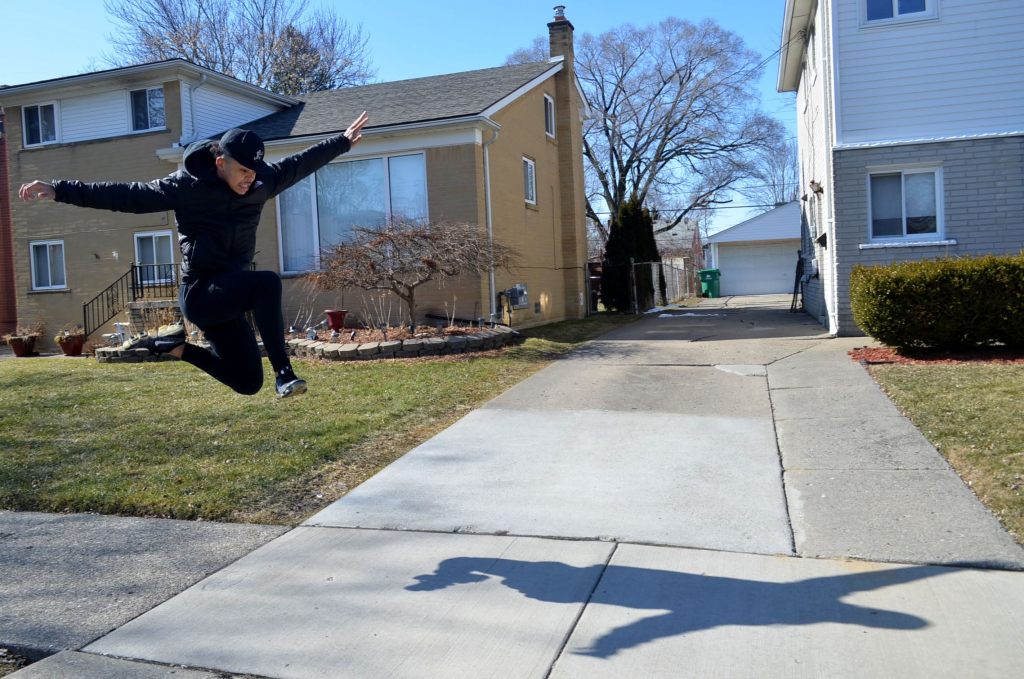
Photo by: Cam Sanders (wsupj)
Your camera is one of many important tools you use as a journalist, and its importance has grown in the current age of digital media. A journalist is now pretty much expected to be literate in multiple modalities of journalism, including that of grasping skills of photojournalism. Prior to this class my knowledge about my camera was really limited, when I needed to take a photo for a story I typically just relied on my smart phone. However, now that I know a bit more about my camera, I can really appreciate all the essential elements that makes a photo great.
The elements are ISO, aperture, and shutter speed all work together and are contributing factors that when done correctly produce great photos. The ISO determines how sensitive your camera is to light, the lower the ISO number less sensitive your camera will be to light. Setting the ISO should be the first thing you do before shooting. You should take note of the amount of light you have at you have at disposal and adjust accordantly; if you are shooting in a space that has a lot of light (like outside on a sunny day) your ISO should be lower, and if you are shooting in a space that lacks light (like indoors or at night) your ISO should be higher.
The ISO works congruently with shutter speed. Shutter speed determines the duration your camera will be exposed to light, and it contributes a great deal to the overall clarity of an image. The slower the shutter the longer the camera will be exposed to light, this is why it is important to note how it works with the ISO. The faster the shutter the less time the camera will be exposed to light, and this is helpful when trying to shoot subject that are in motion.
The aperture controls how open the lens is, and determines how much light is let into the camera. As you might have guessed this too works a long side the other elements to contribute to the overall photo. The lower the aperture the wider the lens and more light comes through, conversely, the higher the aperture the narrower the lens and less light is allowed come through.
Aperture controls how open the lens is. Meaning, it allows for a certain amount of light to come through. The higher the aperture, the less light is allowed in the photo. I got the hang of this too because my camera actually does tell me which aperture is appropriate for what. The smaller the aperture, the more light is let in.
All of these elements work together in order to contribute to a well-rounded image. Understanding and using these elements properly can make taking a great photo relatively painless. Speaking from personal experience, when it came to shooting the A4 – The Camera assignment, my understanding of these elements helped immensely.
#photojournalism #exposure elements #basics #assignment
 Cameron Sanders| Journalist