The State of DACA (Updated)

A look into where DACA stands now through the eyes of those who work closely with the immigrant community.
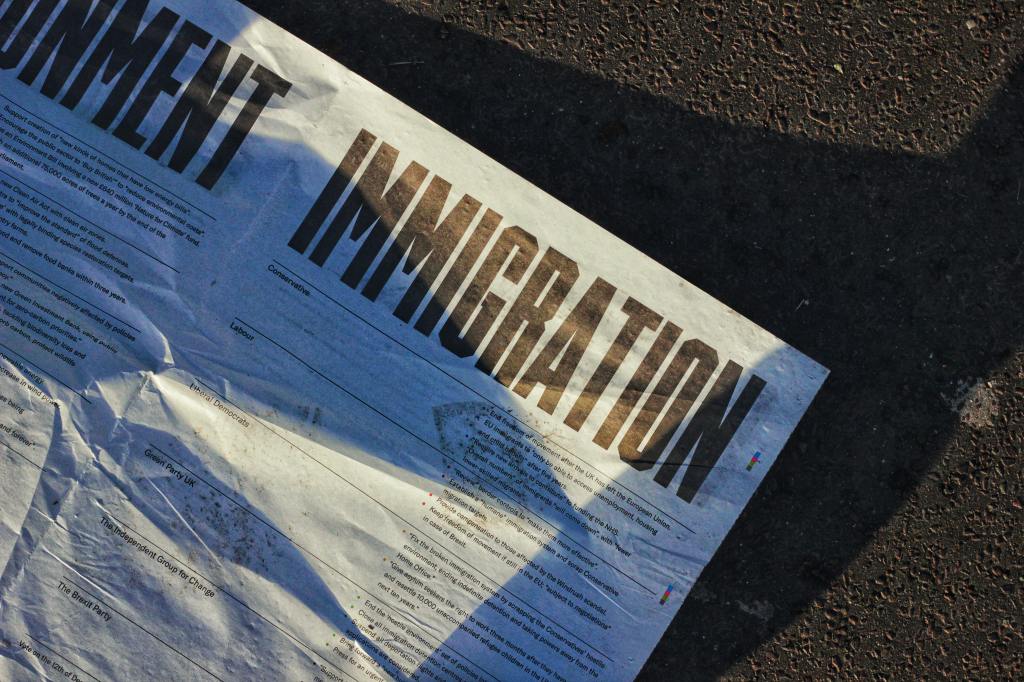
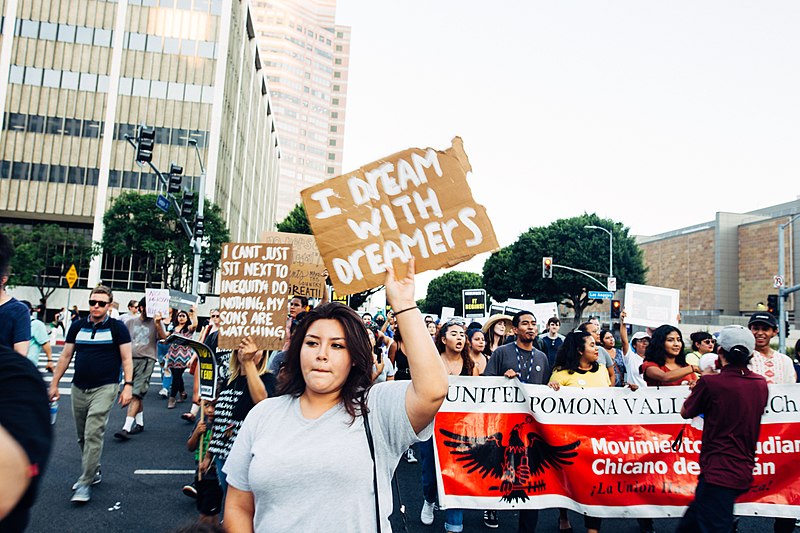
Photo by Metin Ozer on Unsplash

In 2012 the Obama administration introduced the Deferred Action for Childhood Arrivals program through an executive order. Almost a decade later, the program has seen much turbulence as it passed through three distinct presidential administrations in a political climate that has made immigration issues a hot button issue. 

“DACA is the Deferred Action for Childhood Arrivals policy that grants a temporary status of protection for people who were brought to the United States without legal documents as children,” says translator and University of Detroit Mercy law student Isaias Cruz, “Although it originally been seen as a temporary protection, more people have elevated its status and have misinterpreted it as a permanent fix.”

He continued by saying that even though DACA has been around for quite some time, there is still much the greater public that doesn’t understand in how it affects its recipients. 

“What people do not understand about DACA recipients is that they live their lives with the constant uncertainty that their temporary protection, which is typically the only way they are able to legally stay in this country, could be cut off at any time,” says Cruz. 

Cruz says that the Trump administration taking over responsibility for immigration issues, really exposed the fragility of DACA as a national policy. 
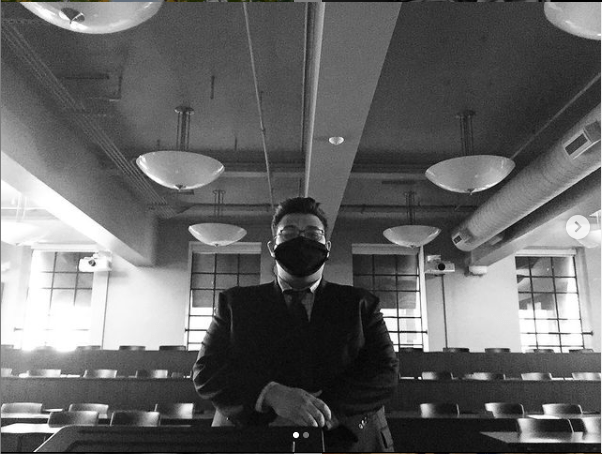
Isaias Cruz posing at the University of Detroit Mercy School of Law | Photo Source: Isaias Cruz, Instagram

“The greatest change overall is that it has been proven to be much more fragile to the point where the mere thought of it being taken away provokes a great fear in the immigrant community,” says Cruz. 

As a translator and interpreter, Cruz says his work has had great impact on how he views immigration issues, as it has given him first hand exposer to how immigrants experience policy changes.

“I have worked in translating documents and interpreting for clients in the immigrant community since I was a child. In dealing with different situations, I have noticed that immigration laws and policies are extremely uncertain and are subject to change frequently,” says Cruz” I would say that the work that I do has shaped the way I see immigration issues in the sense that I am more aware of the attitude that my clients have in reaction to changes in policies.”

For student activist, Sara Alqaragholy, one of the most evident aspects of the Trump administration era was the attitudes and treatment of DACA on the conservative side of the aisle.

“Most notable are the attacks on the DACA program itself, which are arguably attacks on immigrants who are simply aiming for better lives, not only by the most recent Trump administration but by conservatives prior to Trump who have argued that programs such as these were abuses of executive power,” says Alqaragholy.

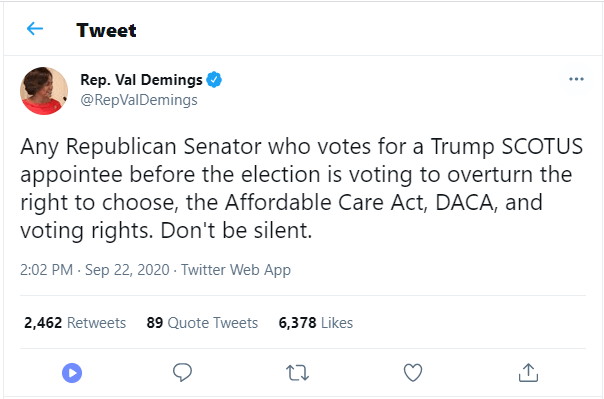
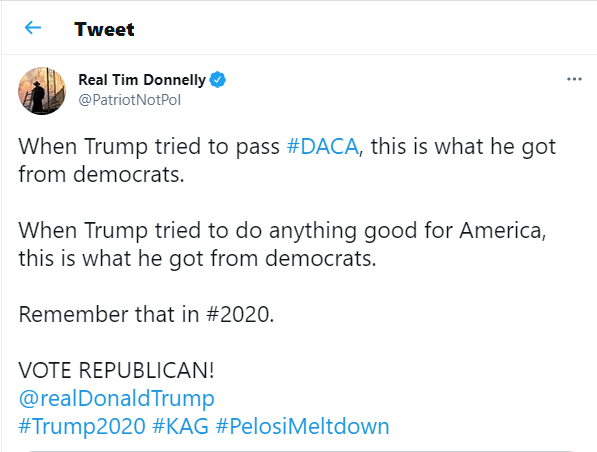
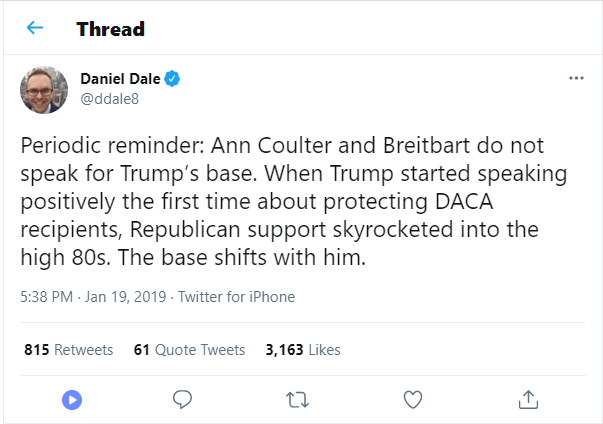
“Border Patrol Agents are not allowed to properly do their job at the Border because of ridiculous liberal (Democrat) laws…Republicans must go to Nuclear Option to pass tough laws NOW. NO MORE DACA DEAL! “

Donald Trump via Twitter (@realDonaldTrump) | April 1, 2018
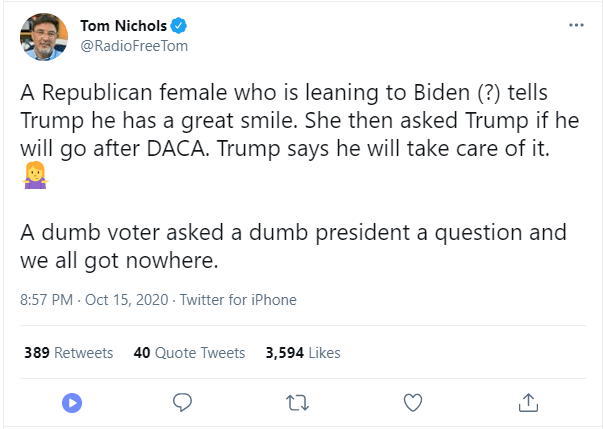
According to Cruz, the 2020 United States presidential election made for a significant trivialization of the conversation surrounding immigration issues, as it was often overshadowed by the debate surrounding the country’s COVID-19 response. 

“The election made it so that, for the first time in a long time, immigration was not at the forefront of the issues discussed in the country,” says Cruz. “If DACA and any other immigration issue were even mentioned, it was not noticeable COVID-19 policies took most of the airtime, and the subject provided enough leverage to give Joe Biden the victory.”

Biden and Trump discuss their views on immigration policy | Video Source: ABC News

In elaborating on what Biden’s presential victory means for the future of DACA and immigration reform, Cruz says it brings adages of both hope and concern. 

“There was a wave of hope that DACA would stay and that, somehow, immigration reform would magically appear since President Biden and Vice President Harris promised to help immigrants, says Cruz. “However, as we have seen now, although there is a sense of security among immigrants regarding the preservation of DACA and Temporary Protected Status protections, ICE arrests continue to happen, and more detention centers are opening.”

With similar a sentiment, Alqaragholy says she is thankful that DACA was not receded during this era and she believes that DACA will continue to be protected under the Biden administration. However, she also believes remnants of the United States’ past attitudes towards immigration management are evidence of a broken system. 
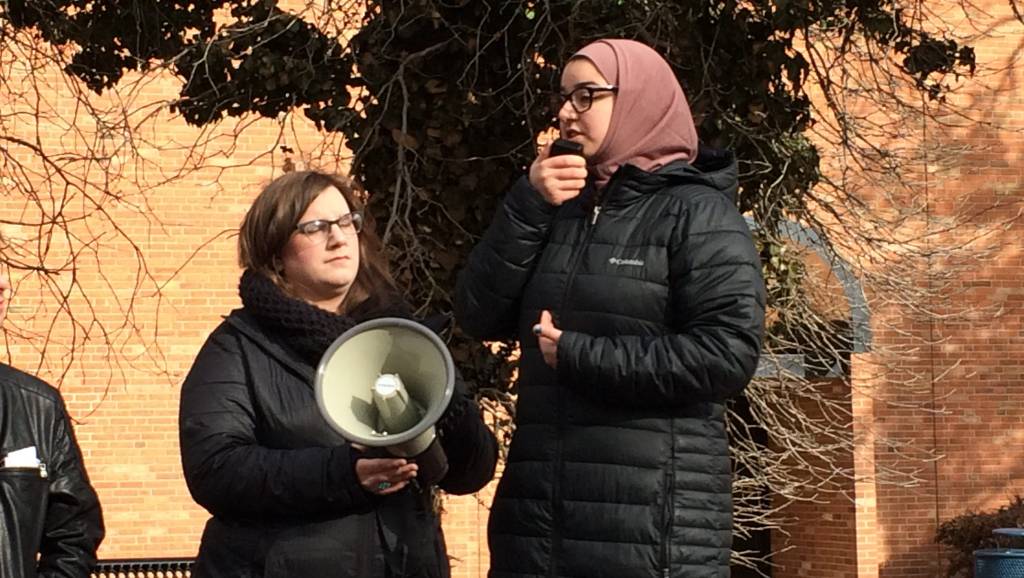
Sara Alqaragholy speaking at a stop gun violence walkout at U-M Dearborn | Photo Source: Charles E. Ramirez, The Detroit News

“Evidence of the continuation of detention camps at the US-Mexico border as well as ones within US proper are signals that the US government’s perception and management of immigrants as a whole is antithetical to what the DACA program was laid out to do,” says Alqaragholy.

In reference to his work with immigrant communities Cruz says that ultimately in spite of who’s in power and their political ideology it does not change the way many immigrants feel, as there is already much distrust in the system.

“The people in power make no difference in how they feel, and the community distrusts any leader who makes verbose and exaggerated claims of how they will help immigrants, regardless of political ideology,” says Cruz. “They do not wish to be temporarily protected for the rest of their lives, there must be a more secure option above DACA that is provided for immigrants who wish to stay.”

For more information on DACA and its history check out the original article and this timeline of DACA milestones.
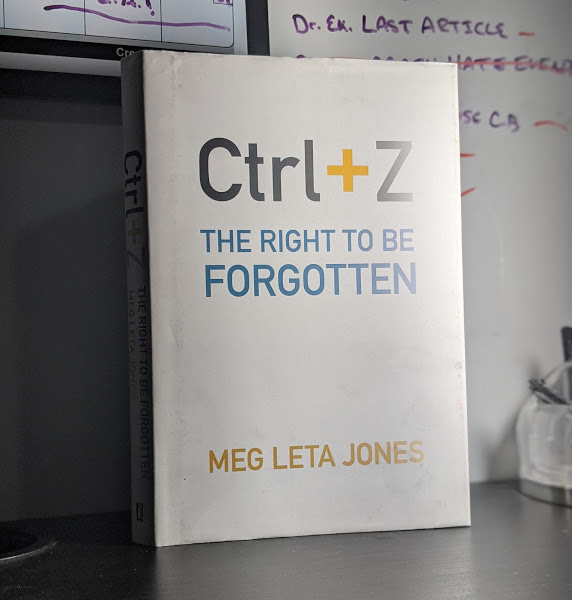
Ctrl+Z : The Right to Be Forgotten Book Review (Podcast)

“The web has become a searchable and crunchable database for questions of any kind, a living cultural memory whose implications are complex and wide reaching.” -Meg Leta Jones | Photo by Cameron Sanders

In this podcast, Wayne State seniors Omar Abdel-Baqui and Cameron Sanders review the informative novel, “Ctrl + Z The Right to Be Forgotten” by Meg Leta Jones, Associate Professor in the Communication, Culture & Technology Department at Georgetown University.

In this episode Cameron and Omar review the informative novel “Ctrl + Z The Right to Be Forgotten” by Meg Leta Jones | Photo by Cameron Sanders

The novel explores the “right to be forgotten”, or the moral and ethical concerns regarding an individual’s autonomy in regards to their own digital foot print. The book makes a point to differentiate the approaches to this right by different countries and their subsequent legal system.

The first two chapters of the novel specifically explore the differences in the European Union (EU) and United States approach to viewing digital autonomy and their formulation of legal precedencies. Jones does this by reviewing the cases of individuals and situations that deal with the topic.

It seems like in the novel, Jones tries to emphasize the progressiveness of the EU’s attitudes towards the right of digital autonomy in this “New Digital Age”

“Many national legal systems in Europe embrace a nation of redemption by which an individual may preclude another from identifying him or her in relation to his or her past,” writes Jones.

In the podcast, Cameron expresses how fitting of an introduction this is to the rest of the book.  Because, as you progress through the book it often highlights the differences in public opinion on the subject and the court opinions, which unsurprisingly, drastically differs.

Jones, in the latter half of the novel, identifies the two prominent oppositions to the right to be forgotten. The first being the unforgiving nature of the internet itself, and the second being on transitory nature of online content.

To these Jones suggests an attitude of stewardship, when it comes to managing personal web presence.   

“Widespread acceptance of information stewardship, currently practiced only by certain information professionals, may provide the necessary framework to achieve more effective preservation and privacy online,” writes Jones.

In the podcast, Omar states that he primarily agrees with this suggestion, but ultimately has questions about the practicality of its implementation.

Author of “Dragnet Nation: A Quest for Privacy, Security, and Freedom in a World of Relentless Surveillance” Julia Angwin explains how she attempted to erase her digital presence. | Source: CBS This Morning

If you would like to read more about the “right to be forgotten” check out the following literature:

Dragnet Nation: A Quest for Privacy, Security, and Freedom in a World of Relentless Surveillance (Book)

Delete: The Virtue of Forgetting in the Digital Age (Book)

Right to be Forgotten policy discussed on panel held by News Leaders Association and Reynolds Journalism Institute (Article)

For additional takes/reviews on “Ctrl + Z The Right to Be Forgotten” check out the following podcasts:

Meg Leta Jones: Ctrl + Z – The Right To Be Forgotten – Ideas Books

Podcast – Book Review of Ctrl+Z: The Right to Be Forgotten – Andrew and Allise 

A Timeline of DACA Milestones

WikiCommons | Wanda Adams

On June 15, 2012 President Barack Obama implemented the Deferred Action for Childhood Arrivals (DACA) program.

This act would provide more than a half-million children of undocumented immigrants a pathway to United States citizenship. However, with United States experiencing drastic changes presidential administrations over the last decade the program’s status has often been up in the air.

Just as Obama administration was integral to its conception, the Trump administration was key in the program being temporarily rescinded. This subsequently left those affected by the program with a great deal of uncertainty in regards to their future and legal status in the United States.   

This timeline goes over the major milestones of the DACA program; covering everything from its inspiration to its current status under the Biden presidential administration.

The Anglophone Crisis: what is it and why is no one talking about it?

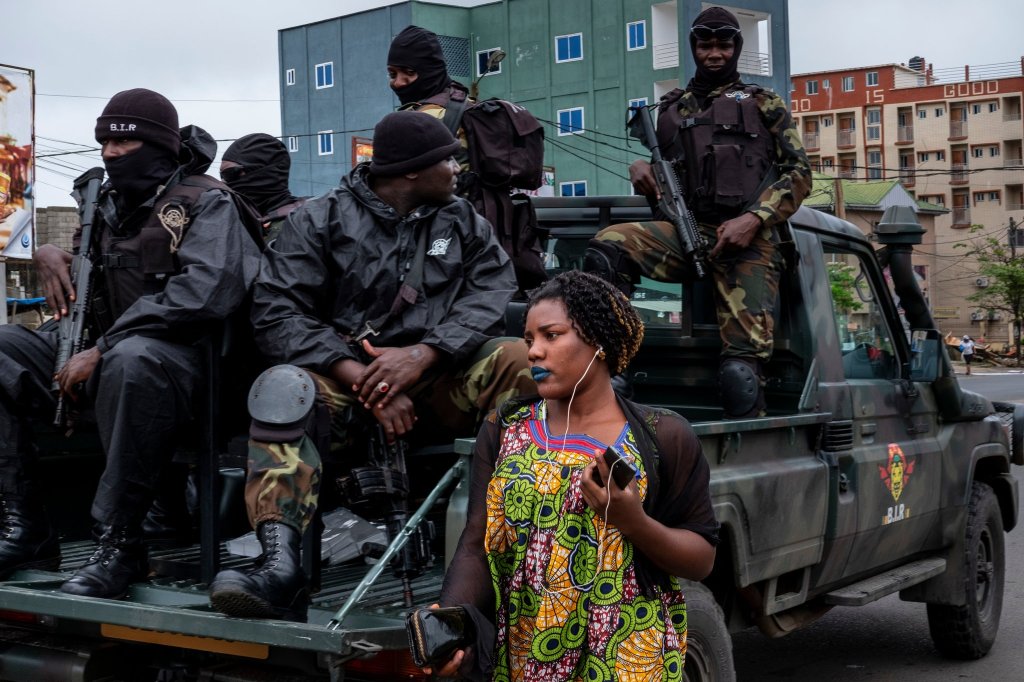
Despite the ongoing violence in Cameroon some Cameroonians are trying to resume normal life. This photo was taken in southwestern city of Buea, one of the centralized areas of conflict. l Photo Credit Ashley Gilbertson — The New York Times

Cameroon is currently in the midst of a civil war. The Anglophone Crisis is also known as the Ambazonia War or the Cameroonian Civil War began in September of 2017 and is continuing as of 2021.

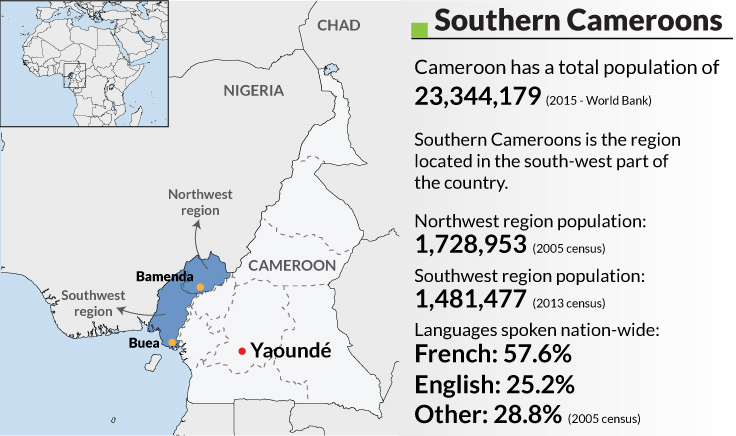
The war is between the centralized Cameroonian government and the separatist of the Anglophone territories which is made up of Cameroon’s northwest and southwest regions (collectively recognized as Southern Cameroon). The conflict began as a small insurgency but soon rose to the scale of a full-blown war as rebellion quickly spread across the Anglophone territory.

Southern Cameroon (highlighted) is comprised of the Northwest and Southwest regions. l Map Source International Business Times


The motivation for the civil war began soon after Southern Cameroon became a part of Cameroon in 1961. The primarily English-speaking Southern Cameroon already had an established government along with its own prime minister when it was forced to Cameroon.

The primarily French-speaking Cameroonian government feared the established autonomy of Southern Cameroon; believing if they ever tried to secede the union, they would take a great portion of Cameroon’s resources with them.

In order to prevent this in the unilateral referendum of 1970, the Cameroonian government replaced the federal state with a unitary one giving more power to the centralized government. In this process, Southern Cameroon lost its autonomy and with it much of its previously established rights, and this was the only the beginning of the massive changes made to force the unification.

In 2016 the Cameroon Anglophone Civil Society Consortium protested in opposition to the current civil law system. As the protest grew the Cameroonian government deployed security forces to squander the protest, in the raid more than 100 protestors were arrested and six were reportedly killed. This event began the insurgency that would go on to develop into a civil war.

Video of Cameroon protest being broken up by its government. l Video Source British Broadcast Corporation

As of 2021 the Anglophone Crisis has reportedly taken the lives of over 4,000 people, and has created incredible hardships for its citizens.

“The current government in Cameroon about three or four years ago they really started cracking down on dissidents, people who criticize the government,” says Jennifer Hart, Associate Professor at Wayne State University History Department. “In particular, targeting Anglophone regions, cutting them off from food and supplies, cutting off electricity and water, cutting off internet access, and shutting down social media. And this created incredible hardship and the people really struggled.”

Hart went on to say she doesn’t believe there is enough coverage on the Anglophone Crisis, and there is a major problem in the media about covering African Affairs.

“As a person who’s written for various news outlets, like trying to place an article about the continent, it’s really hard people just don’t care,” says Hart.

Hart says she believes that there are important opportunities and lessons that are missed when stories like that of the Anglophone Crisis aren’t told.

“I also think it’s so important and instructive for Americans to think about these issues. Because we were often engaging in the same kinds of practices now without necessarily thinking about it,” says Hart.

Audio recorded of a Zoom interview with Professor Jennifer Hart

Samiratu Shiminih, a Cameroonian from the Littoral Region says she doesn’t understand why people don’t care to about the problems in her country.

“It’s hard for me to believe that so many people aren’t aware of what is going on [in Cameroon],” says Shiminih. “People are dying in the streets, yet no one cares to understand why.”

Shiminih says that because there are not many people who advocates on behalf of the Cameroonian people, the responsibility falls on the younger generation and their connection to social media.

WSU student hosts free hip-hop dance classes over Instagram

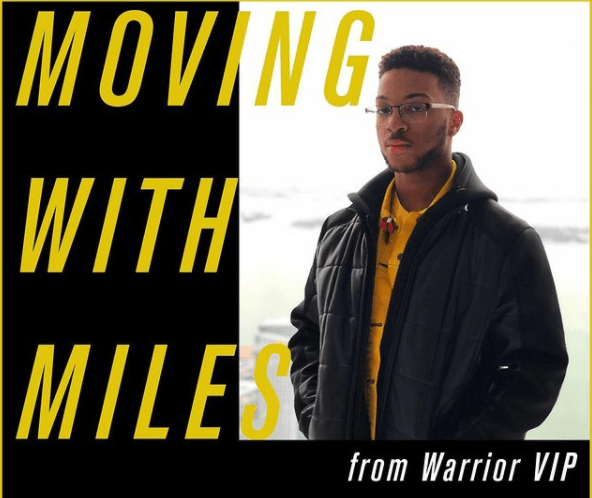
Photo provided by Miles Rueben

For many remaining active in the middle of a semester full of online classes and social distancing has become quite the struggle. To help with this, Wayne State University senior Miles Rueben has given people the chance to remain active with him in the form of dance.

Rueben said he began to teach the classes because of how much he missed dancing.

“I just missed dancing and everybody kind of knew I just danced at parties and stuff on campus,” said Rueben. “So, I decided to have them on campus as official classes just to have fun and just to teach people some choreography, because I haven’t done it in a while.”

The classes are free and are held both in-person and streamed on Reuben’s Instagram page. He began hosting the classes on campus in early August of 2019 and has continued them through the pandemic with COVID safety in mind.

The classes remain safe primarily because of the space the classes are held in, said Rueben.

“So, the studio I go to is Exhibited 8 Studios, which is a black-owned dance studio based in Detroit and they have made the preparations,” Rueben said.

The precautions laid out by the studio include a limit to how many dancers can be in the studio and constant mask-wearing.

“You can’t have a certain amount of people in the studio at a certain time, because then the spacing gets weird, and the spacing is really hard,” Rueben said. “And masks are required to dance, so you have to wear a mask continuously,”

Reuben said this is the perfect setup for the class.

“It works perfectly, and I don’t necessarily have to have set up the restrictions myself, “Rueben said. “Because I do the classes for free, all the studio and I have to do is make sure not a lot of people come into the studio and take up space, which usually doesn’t happen because I also live stream.”

WSU student and Exhibited 8 Studios dance instructor Sydney Nash said she regularly attends the classes and believes the studio space is meant to make students feel comfortable.

Reuben does an excellent job of allowing each to explain who they are and their dance background which helps with comfortability, Nash said.

“When you do dance in front of people for the first time you want to be comfortable around the people you’re dancing with, and we provide that environment,” Nash said.

Digital artist Shane Miller has streamed many of the classes because he lives in St. Louis. He says he started following because of all of Reuben’s extensive work as a Black creative in Detroit.

“I feel like he really does put his all in the stuff he cares about, and I feel like it shows,” Miller said. “Even if there’s only two of us up and ready to go he’s always on it like there’s a full classroom, just ready to start, his work ethic and passion just radiates.”

For those interested in attending Reuben’s classes, they are held semi-regularly and are announced in posts on Reuben’s Instagram page.

“At first, it [the class] used to be every other month when the pandemic wasn’t happening,” Reuben said. “But now because of the pandemic, it being my senior year, and because everybody’s kind of everywhere, I try to do it when I can.”

Annual Brock Memorial Lecture focuses on Kamala Harris’ Journey

Dr. Myra Washington, Assistant Vice President for Faculty Equity & Diversity at the University of Utah, guest lectured on the afternoon of Jan. 27 as a part of the annual Bernard L. Brock Memorial Lecture Series. The lecture entitled “Auntie Kamala: On Being Too Much and Not Enough,” explored the competing narratives of race that surrounded Kamala Harris in her journey to the Vice Presidency.

Matthew Seeger, Dean of the College of Fine Preforming and Communication Arts expressed gratitude towards donors and that such a lecture would have been greatly enjoyed by late Dr. Brock.

“We were delighted to have the support of donors to enable this particular lecture series to honor and celebrate the legacy of Dr. Brock and he certainly would really have enjoyed tonight’s speaker,” Seeger said.

Washington began her talk by explaining that earlier in her bid for public office Harris was often on the defense in having to explain the levels of both her racial identities; citing various news headlines and tweets from people like Donald Trump Jr.

“As Harris was defending her identities on each of their single axis came questions that call them into account simultaneously,” Washington said.

She then went on to explore what made Harris’s journey with biracial identity unique, and how this uniqueness helped further helped her research.

“There is a utility to be mined from Harris’s blasianness that wasn’t quite as available as say Obama specific racial identities given the situational nature of racial identification,” Harris explained, “It’s allowed for the cynical broad cross-sectional appeal to the very groups needed to win the election and importantly for me opportunities to observe her very obvious performances of race.”

Washington spent the rest of the lecture speaking on the concept of race for performance and the ways in which Harris has showcased this.

A Family Under Quarantine

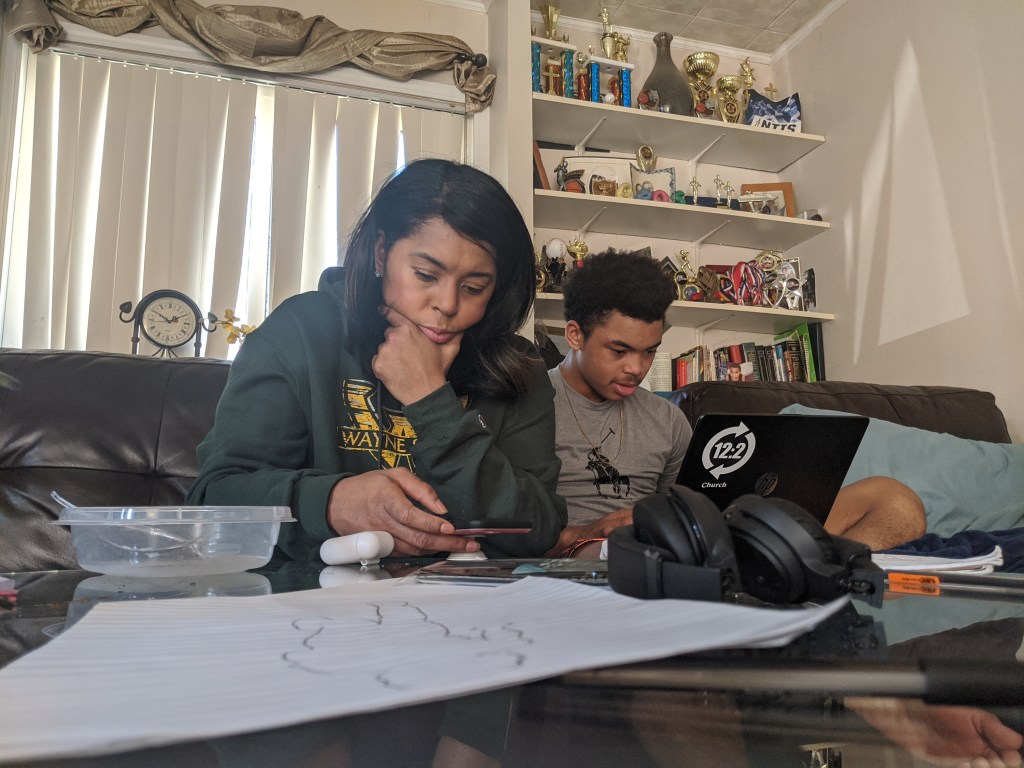
My mom texting her friends while my brother works on his online class.
Photo by: Cam Sanders (wsupj)

When it was first announced that we were going to be under quarantine do to the COVID-19 outbreak, my family and I were quite confused. We were all aware of the outbreak but the announcement of being quarantined seemed very sudden and a bit jarring.

We found ourselves asking many questions including how long it was going to last, and how it will change our individual daily schedules. The answers to these questions still remain, and it has been challenging to see any definite answers in the foreseeable future.   

We did, however, find ways to adjust to living under quarantine as we still had to work, go to school, and remain healthy.

Similar to others, health was instantly made the biggest priority in our home. When going out we have wear mask and gloves, and extra cautious when interacting with stingers. We also have to restrict ourselves from visiting family members, like my grandparents, in order to keep them safe.

Our family is particularly close, so it is very strange not being able to see them especially during holidays.  Our traditional Easter of going to church and having a family dinner afterwards, was replaced with a virtual church service and a Zoom call with all of our family members.

Working and going to school has also been made quite different. My brother and I both had our in-person classes switch with online versions in the middle of the school year. I also had an internship that had to switch to being remote.

My dad is in the early stages of a planting a church in Southfield, and he began shifting his church plans to be more virtually accessible.


The transition was difficult, but time management skills and having a disciplined schedule really helped all of us.

In this difficult time of uncertainty, my family has made it priority to make the most of being together. We all work, exercise, and play together which I really enjoy and am thankful for.

#WSUpj #storytelling #photojournalism #mojo #smartphonepix #steller #family #quarantine

https://steller.co/s/a-family-under-AcndbsctUmG/p/2

WSU Lecturers Protesting

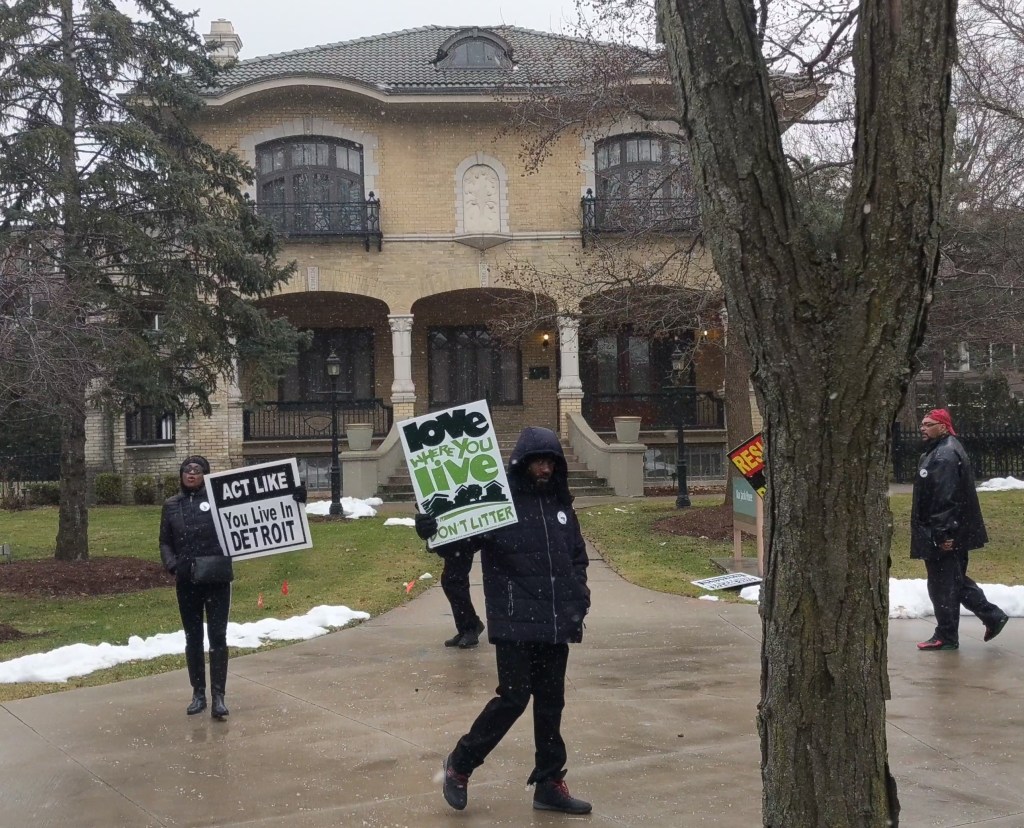
Lecturers march in protest in front of President M. Roy Wilson’s on campus residence.
Photo by: Cam Sanders (wsupj)

Recently, a group of lecturers gathered in front of Wayne State President M. Roy Wilson’s on campus residence protesting and asking him to either make changes or to submit his resignation. According to one of protesters, the group was specifically asking president Wilson to promote the hiring and retention of black professors.

This public display is one of multiple retaliations from lecturers after it was announced that over 38 percent of WSU lecturers from College of Liberal Arts and Sciences received letters of non-renewal for their contracts

The protester added that the demographic of black professors will be among the hardest hit and that it why it is so important for Wilson to protect them.

In late February, around when the letters were first distributed, another group of protestors rallied at the university and attempted to present Wilson with a State of Support for Lecturers. This statement included over 800 signatures from WSU and other universities in support for the job security of lecturers.

The statement itself called for Wilson to “rescind notices of non-renewal and restore dignity and professionalism to our Lecturers and Senior Lecturers.”

President was not present in order to receive the statement in person; however, he did issue a response afterwards in the form of a mass email to the lecturers. In the email Wilson stated that the he recognizes the important work done by lecturers, but the issuing of layoff notices would allow the university to adjust in the event that university is unable to support their salaries within the budget.

The lecturers effected currently are attempting to gather support from WSU students, alumni, and staff in order to combat the mass layoffs.

#WSU #feature #staff #president #protest

https://camwithacam.photo.blog/photography-portfolio/

NPPA Town Hall

Recently the National Press Photographers Association hosted a virtual town hall on Zoom discussing ­the various plans, protocols, and actions being taken in response to the coronavirus (COVID-19) pandemic. The town hall was conducted by NPPA President Andrew Stanfill and boasted panelist from various backgrounds including directors, journalists, and health professionals.

A general theme discussed throughout the meeting was finding various ways to continue to work as journalist in a safe and efficient manner. One of the most interesting conversations that sprung from this theme was that of how editors and managers can aid in finding this balance.

Panelist Jill Geisler stressed how important it is for managers listen to reporters and photographers when they are voicing their concerns. She stated that making accommodations during this time for high risk reporters is key, and if a manger is unwilling to do so finding an outside physician to help enforce a need for accommodation.  

Mickey Osterreicher NPPA’s general council spoke on the legal aspect of managers and HR departments responsibilities when listening and making judgment calls. He stressed that failure to take into account safety risk of employees when making legal decisions could result in drastic legal consequences.

Another notable point made was how this pandemic has affected staffers and freelance journalist differently. While journalist on staff can typically voice their concerns to an HR department, this could potentially be difficult for freelancers who often don’t have that option

Panel moderator Brett Akagi said a possible option for freelancing journalist could be to asking the company that they work for to compensate them for the necessities they need in order to stay safe doing their job.

As journalist it is our responsibility to search for truth and relay that truth to the public, I consider it one of the most selfless professions. However, it would be impossible to continue to do this job effectively without first taking the proper precautions and prioritizing safety amidst this global pandemic. My biggest take away from the town hall is the importance of communicating and voicing your concerns to your fellow journalist, use personal judgement and access the risk currently associated with the job.

#COVID-19 #NPPA #safety #pandemic

Understanding the Camera

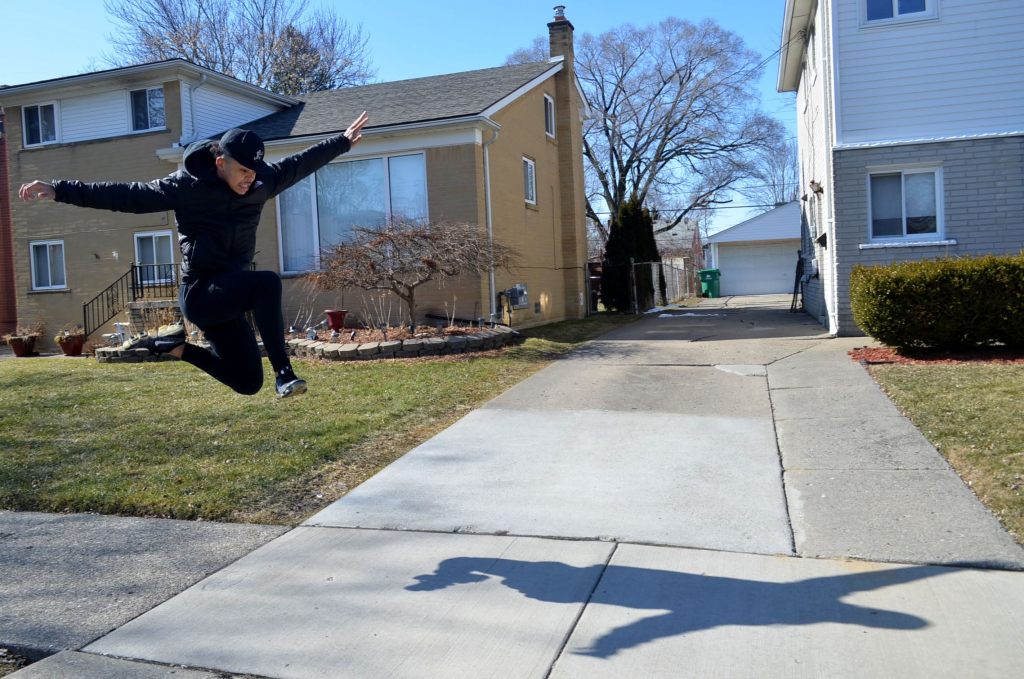
This was an attempt at a stopped motion picture of my brother.
Photo by: Cam Sanders (wsupj)

Your camera is one of many important tools you use as a journalist, and its importance has grown in the current age of digital media. A journalist is now pretty much expected to be literate in multiple modalities of journalism, including that of grasping skills of photojournalism. Prior to this class my knowledge about my camera was really limited, when I needed to take a photo for a story I typically just relied on my smart phone. However, now that I know a bit more about my camera, I can really appreciate all the essential elements that makes a photo great.

The elements are ISO, aperture, and shutter speed all work together and are contributing factors that when done correctly produce great photos. The ISO determines how sensitive your camera is to light, the lower the ISO number less sensitive your camera will be to light. Setting the ISO should be the first thing you do before shooting. You should take note of the amount of light you have at you have at disposal and adjust accordantly; if you are shooting in a space that has a lot of light (like outside on a sunny day) your ISO should be lower, and if you are shooting in a space that lacks light (like indoors or at night) your ISO should be higher.

The ISO works congruently with shutter speed. Shutter speed determines the duration your camera will be exposed to light, and it contributes a great deal to the overall clarity of an image. The slower the shutter the longer the camera will be exposed to light, this is why it is important to note how it works with the ISO. The faster the shutter the less time the camera will be exposed to light, and this is helpful when trying to shoot subject that are in motion.

The aperture controls how open the lens is, and determines how much light is let into the camera. As you might have guessed this too works a long side the other elements to contribute to the overall photo. The lower the aperture the wider the lens and more light comes through, conversely, the higher the aperture the narrower the lens and less light is allowed come through.

Aperture controls how open the lens is. Meaning, it allows for a certain amount of light to come through. The higher the aperture, the less light is allowed in the photo. I got the hang of this too because my camera actually does tell me which aperture is appropriate for what. The smaller the aperture, the more light is let in.

All of these elements work together in order to contribute to a well-rounded image. Understanding and using these elements properly can make taking a great photo relatively painless. Speaking from personal experience, when it came to shooting the A4 – The Camera assignment, my understanding of these elements helped immensely.   

#photojournalism #exposure elements #basics #assignment

https://camwithacam.photo.blog/photography-portfolio/

Design a site like this with WordPress.com
Get started